-6.png)
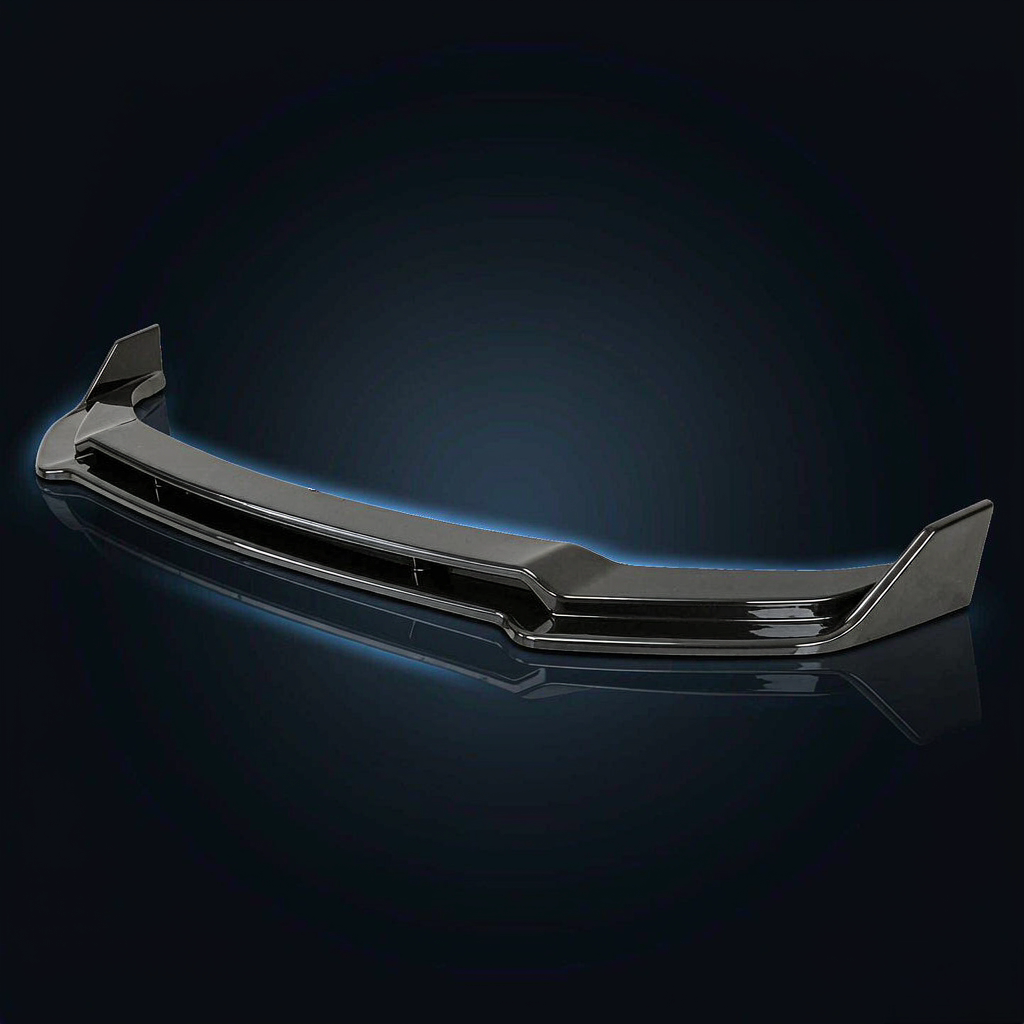
What “Fits All” Really Means: How to Read a Fitment Chart
Fitment is not one fact, it is five. Year and generation code, body style, bumper variant, sensor cutouts, and ride height – miss one and the part goes back.
Fitment guides and technical explainers for Japanese and European platforms — what actually fits, what to measure, and how to specify a custom part correctly.
Fitment is not one fact, it is five. Year and generation code, body style, bumper variant, sensor cutouts, and ride height – miss one and the part goes back.

Where the kit takes its power decides whether the install is clean or a permanent annoyance. Plus the fitment questions that actually vary by model year.
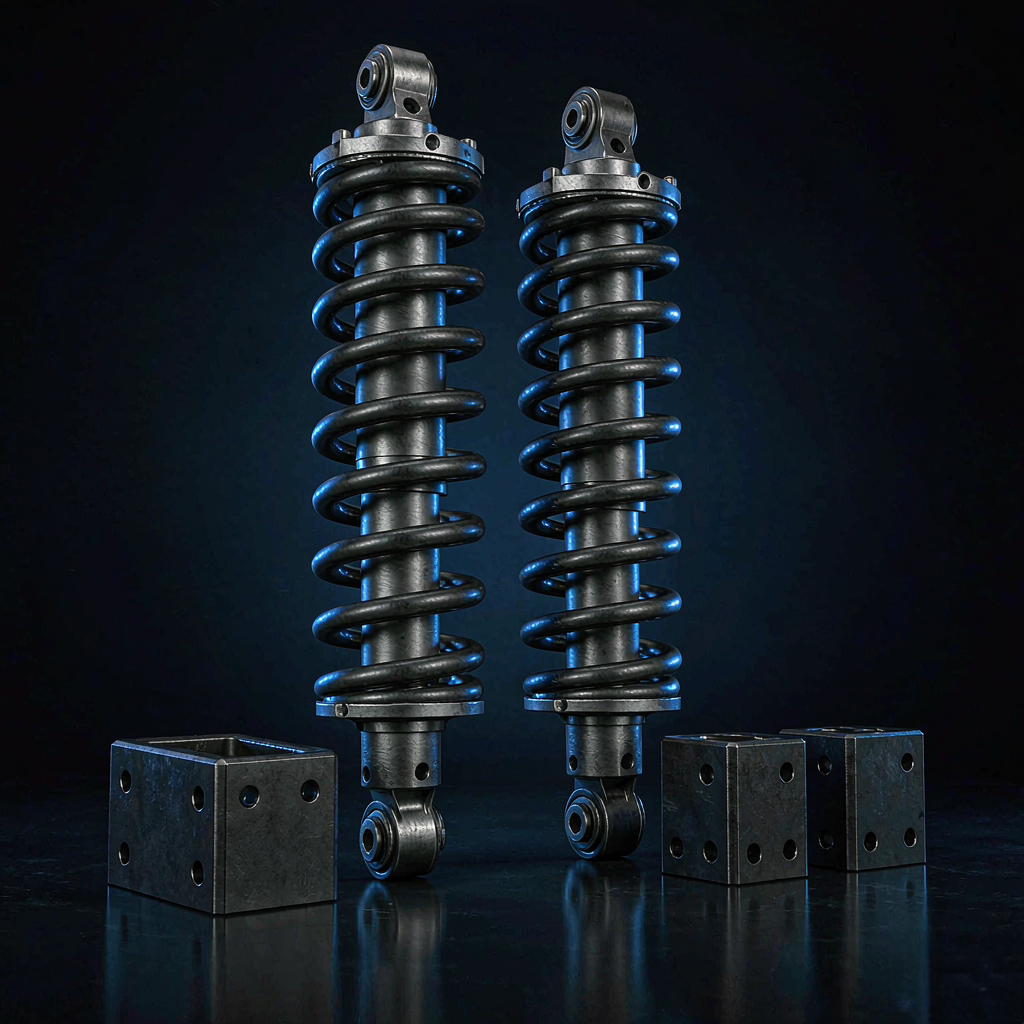
A leveling kit fixes the stance. A lift kit buys back the geometry that height takes away. Here is where the four expensive mistakes usually happen.
Spacers fix stance, clearance, and wheel fitment — or cause vibration and broken studs. The difference is hubcentricity, thickness, and torque. Here is how to order the right set the first time.
Both drop your ride height. Only one lets you tune it. Here is what changes in ride quality, damping, adjustment range, and cost — and how to pick for a daily, a track car, or a lifted truck.